
Custom book binding for rare books requires historical accuracy and material expertise to preserve value and integrity. Lost title pages are critical for identification and dating, with professional services offering precise replacements. Restorations focus on aesthetic replication and structural support using traditional methods and materials. Careful storage and prompt replacement of lost titles ensure long-term preservation, protecting rare literary treasures from environmental damage.
In the realm of rare book conservation, preserving unique and irreplaceable works demands specialized attention. The loss of titles, often referred to as “lost titles,” presents a significant challenge for collectors and institutions alike. Custom bindings offer a tailored solution, providing structural support while enhancing these delicate volumes’ aesthetic appeal.
The process involves meticulous craftsmanship, ensuring each book receives an individual touch. By exploring custom bindings, owners can safeguard their rare acquisitions, allowing future generations to appreciate their literary value. This article delves into the art and science of order custom bindings, offering insights for those seeking to preserve these cherished lost titles.
- Understanding Rare Book Custom Bindings: A Historical Perspective
- Assessing Your Lost Title Collection for Binding Needs
- Choosing Materials: Fabric, Paper, and Thread for Durability
- Design Considerations: Decorating the Lost Titles with Care
- Finding Reputable Bindery Services for Expertise
- Caring for Your Custom-Bound Rare Books Longevity
Understanding Rare Book Custom Bindings: A Historical Perspective

The art of custom book binding, especially for rare books, has a rich history dating back centuries. In the realm of rare book conservation, every detail matters, including the binding that protects and enhances the beauty of these precious volumes. When dealing with ancient texts or those with unique historical significance, understanding the concept of custom bindings is paramount. These are not mere covers but intricate crafts designed to preserve knowledge while reflecting the era of their creation.
A rare book’s journey often involves a complex history, and its binding may have changed hands numerous times. Over time, original bindings can be lost or damaged, leading to a delicate challenge: recreating the past’s elegance. The process requires meticulous attention to detail, from selecting materials that mirror historical practices to ensuring structural integrity. For instance, ancient books may have been bound in leather with intricate gold tooling, reflecting the craftsmanship of their era. Recreating such bindings involves an extensive study of historic techniques and a deep understanding of the book’s origin.
In cases where a rare book has suffered loss or damage, replacing the title page—a critical element for identification—is crucial. A lost DMV title scenario might seem insignificant for common books but is significant for rare ones. Obtaining a replacement title, especially from specialized services like Quick Auto Tags’ Lost DMV title recovery, ensures that these historical treasures remain identifiable and valuable. This process involves careful research to match the book’s specifications accurately. Similarly, lost registration cards, often vital for tracking a book’s history, can be replaced through appropriate channels, ensuring the book’s past remains accessible.
When restoring rare books, every step must consider their longevity. Custom bindings should not only replicate historical aesthetics but also safeguard the book’s structure and pages. This involves not just copying visual elements but understanding the binding’s function in supporting the book’s weight and protecting its fragile pages. Practical insights for conservators include using traditional glues and materials that have stood the test of time, ensuring these bindings endure for generations to come.
Assessing Your Lost Title Collection for Binding Needs

Assessing your rare book collection for binding needs requires a meticulous process, especially when dealing with lost titles. Many collectors find themselves in possession of cherished volumes whose pages are in pristine condition but lack the proper protective covering. Identifying these lost titles and determining their suitability for custom binding is a crucial step in preserving these literary treasures. One effective approach involves examining each book’s unique characteristics, including its age, condition, and any distinguishing marks or identifiers.
The first step is to thoroughly inspect each book. Look for signs of wear, such as faded spines, torn pages, or loose bindings. These indicators can suggest the extent of damage and help in deciding whether a repair or a complete rebinding is necessary. Additionally, check for any unique features that could aid in identification. For instance, some books may have a special edition stamp, an inscription from the author, or even a rare first-print mark. These details can be invaluable when locating replacement titles, especially through official channels like the Department of Motor Vehicles (DMV) by mail, where each book may have a unique vehicle identification number (VIN), akin to tracking a car’s history.
For those with a significant collection of lost titles, professional assistance can streamline the process. Services like DMV duplicate title processes from Quick Auto Tags offer specialized support. They can help you order my duplicate title for rare books, ensuring that each volume is accurately replicated. By employing these methods, collectors can restore their literary masterpieces to their former glory, preserving not just the words on the page but also the overall integrity of these precious books. This meticulous approach guarantees that your rare book collection remains a source of pride and inspiration for years to come.
Choosing Materials: Fabric, Paper, and Thread for Durability

When ordering custom bindings for rare books, the choice of materials plays a critical role in ensuring their longevity and preservation. Fabric, paper, and thread are fundamental components that directly impact the durability and aesthetic appeal of the final product. Each material has unique characteristics and benefits, requiring careful consideration based on the specific book’s needs and the desired outcome.
Fabric bindings offer an excellent solution for rare books due to their strength and ability to protect the pages over time. High-quality fabrics like silk, cotton, or linen can be used to create a durable covering that withstands handling. For instance, silk binding is particularly prized in the book restoration world for its richness and longevity. Moreover, fabric bindings can provide a beautiful, classic look that complements rare books’ historical significance.
Paper choices are equally vital. Acid-free paper is essential to prevent degradation of the book’s pages. This type of paper is neutral in pH, ensuring that it won’t weaken or discolor over time. Additionally, using high-quality paper for endpapers and lining can significantly enhance the book’s structural integrity. For rare books with fragile pages, this becomes crucial, as it prevents further damage during binding.
Thread selection is another critical aspect. Strong, durable threads like cotton or silk are ideal for stitching rare books. These materials provide a secure hold, ensuring the book’s structure remains intact. Using the appropriate thread type can also contribute to the overall aesthetic appeal of the binding. For example, gold or silver thread can add a touch of opulence, enhancing the book’s visual allure. In terms of practical advice, it’s recommended to consult with experts who can guide you in choosing materials suitable for your specific rare book, whether it involves replacing a lost title (and registration card), as in the case of an auto title with Quick Auto Tags, or simply ensuring a high-quality binding job.
Design Considerations: Decorating the Lost Titles with Care
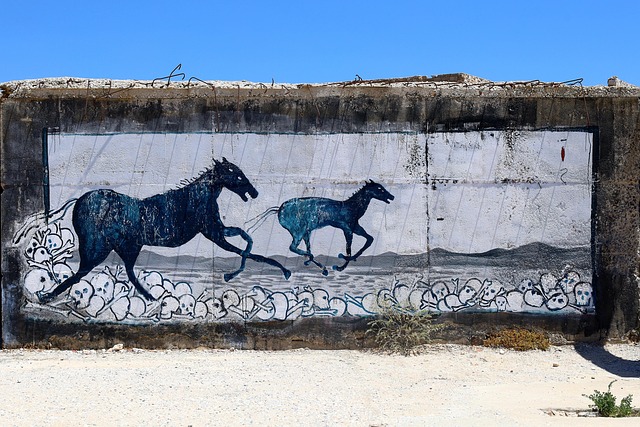
The restoration of rare books requires meticulous care, especially when dealing with damaged or missing elements like lost titles. Decorating these “lost title bonds” is an art that demands a deep understanding of both historical accuracy and aesthetic preservation. While many rare book collectors focus on the physical condition of the pages, the cover, and binding, the restoration of a lost title can significantly enhance the overall value and uniqueness of a volume.
A lost title page or bond, akin to a “lost pink slip” for vehicles, serves as more than just an aesthetic concern; it’s a crucial element in dating and identifying rare books. Unlike common modern editions where titles are easily replaceable, rare books often have titles that were once bound into the book or hand-painted on the cover. Replacing these lost titles requires a delicate balance between authenticity and restoration. It involves skilled artisans who can match the original typefaces, colors, and even the subtle nuances of age. For instance, replicating an 18th-century title page necessitates access to period fonts and an understanding of the historical printing process.
In navigating this intricate task, many collectors turn to professional binders who specialize in rare book restoration. These experts can create custom replacements, ensuring that each restored book is a unique piece. The process often begins with extensive research to locate original title pages from similar editions or, as a last resort, the creation of a new one based on historical records. Once approved, the replacement is bound alongside the rest of the book, effectively “reborn” in its original form. This meticulous approach not only preserves the rare book’s value but also ensures that future generations can appreciate its beauty and significance without sacrificing its historicity.
For those looking to restore a lost title or vehicle registration card (a process akin to replacing a DMV office-issued pink slip), it is essential to seek out reputable services like Quick Auto Tags, which offer specialized solutions tailored to these unique needs. By combining historical accuracy with modern technology, these experts can make the process efficient while preserving the integrity of rare literary treasures.
Finding Reputable Bindery Services for Expertise

When preserving rare books or restoring their original splendor, finding reputable bindery services is paramount. Expertise in custom binding ensures these ancient treasures are handled with care and restored to their former glory accurately and skillfully. The process of locating such professionals involves a meticulous search for those who possess both the historical knowledge and practical skills required to handle delicate tasks. One of the most reliable indicators of a service’s capabilities is its previous work, testimonials from satisfied customers, and specialized certifications.
The journey begins by seeking out binders known for their craftsmanship in rare book restoration. These artisans often have extensive experience dealing with various types of bindings and can offer tailored solutions to match your specific needs. Many established bindery services maintain online portfolios showcasing their work, providing a glimpse into the intricacies they excel at. For instance, some renowned binders specialize in reproducing lost titles accurately, using historical techniques that ensure authenticity. The process typically involves submitting detailed descriptions or high-resolution images of the desired title to these experts, who then recreate it with precision.
In cases where a book’s title has been lost entirely, replacing it can be a complex task. This is where services like Quick Auto Tags can offer convenient assistance. By filling out the appropriate forms, such as the REG 227 for vehicle registration through the Department of Motor Vehicles by mail, individuals can replace their lost car titles in just 1-3 attempts, depending on the situation’s complexity. This demonstrates how accessible and efficient professional help can be when navigating bureaucratic processes.
Caring for Your Custom-Bound Rare Books Longevity
Caring for your custom-bound rare books is an art that requires meticulous attention to detail. When you’ve invested in a unique, handcrafted volume, ensuring its longevity is paramount. One of the most significant aspects of this care is proper storage and handling, which can prevent damage and preserve the book’s value over time. Custom bindings, with their intricate designs and high-quality materials, demand extra vigilance.
Over time, rare books may suffer from environmental factors such as humidity, sunlight, and dust. These elements can contribute to yellowing pages, brittle spines, and even mold growth. To mitigate these risks, store your precious volumes in a cool, dry place, away from direct sunlight. Acid-free boxes or crates can provide an additional layer of protection while ensuring proper ventilation. The use of cotton or synthetic fabric covers can also help shield the book from dust accumulation.
In the unfortunate event that you discover a lost title for your rare book—a common issue with vintage and antique publications—it’s crucial to address this promptly. While replacing a lost title might seem like a daunting task, it is a straightforward process. In many cases, such as with California DMV lost plate replacements or quick and easy replacement titles nationwide, you can obtain a new title through official channels within a few business days. For instance, Quick Auto Tags offers vehicle title replacement assistance, ensuring a seamless experience for book collectors. Remembering to keep records of all ownership transfers and relevant documentation is essential for the long-term care and preservation of your rare books.
By delving into the intricate world of rare book custom bindings, this article has offered a comprehensive guide to preserving historical treasures. Understanding the historical perspective on these unique creations is key; each binding tells a story, adding context to the original work. Assessing your collection of lost titles involves careful consideration of their condition and potential for restoration. Choosing durable materials like fabric, paper, and thread ensures longevity, while thoughtful design decorates these books with respect for their age.
The article underscores the importance of seeking reputable bindery services, leveraging their expertise to achieve the best results. Furthermore, proper care after binding is crucial; regular cleaning and protection from light and moisture safeguard these rare works. By following these insights, collectors can ensure their lost titles are not just preserved but celebrated as valuable artifacts for future generations.


