
"Unlocking Ancient Secrets" explores how technology, like high-res imaging and AI, helps scholars decipher lost texts, making ancient knowledge accessible to all. By piecing together fragments and understanding context, we can reclaim hidden insights from medieval manuscripts, Greek texts, and even lost car titles (REG 227), similar to navigating bureaucratic processes with Quick Auto Tags. This process demands meticulous language expertise and a dedication to unraveling symbolic narratives to gain access to ancient wisdom.
Uncover hidden knowledge in lost texts—an enthralling journey into the past. From ancient scrolls to forgotten languages, these clandestine documents hold secrets waiting to be unveiled. This article guides you through the intricate process of unlocking their mysteries, exploring diverse techniques such as deciphering symbols, understanding historical context, and mastering language translation. Learn how to interpret metaphors and symbolic narratives, revealing a rich tapestry of insights from bygone eras.
- Unlocking Ancient Secrets: A Journey into Lost Texts
- Deciphering Symbols: Tools for Unveiling Hidden Meanings
- Historical Context: Understanding the Time Period
- Language and Translation: Overcoming Barriers
- Interpreting Metaphors: Unraveling Symbolic Narratives
Unlocking Ancient Secrets: A Journey into Lost Texts

Unlocking Ancient Secrets: A Journey into Lost Texts
The quest to discover hidden knowledge often leads us to forgotten corners of history, where ancient texts lay dormant, waiting to be unearthed. These lost treasures can offer insights into civilizations long gone, their cultures, beliefs, and even technologies that once shaped the world. Imagine delving into scrolls that have been preserved for millennia, revealing stories and teachings that were once considered lost to time. This is not just an academic exercise; it can provide crucial clues about our collective past and potentially offer solutions to modern challenges.
In today's digital age, the process of discovering and interpreting these lost texts has been revolutionized. Scholars and historians now employ advanced technologies such as high-resolution imaging and machine learning algorithms to decipher faded inscriptions and unravel complex codices. Moreover, with services like Replace a lost vehicle title with Quick Auto Tags available, individuals can navigate administrative hurdles related to lost registration cards or license plates in places like California. This accessibility paves the way for a broader engagement with ancient knowledge, ensuring that these valuable artifacts are not confined to academic archives but are shared and studied by a diverse range of enthusiasts.
Deciphering Symbols: Tools for Unveiling Hidden Meanings

In the quest to uncover hidden knowledge in lost texts, one of the most powerful tools is the ability to decipher symbols and their underlying meanings. Ancient manuscripts, long-forgotten scripts, and obscure languages often employ intricate symbol systems that hold profound insights. By employing advanced linguistic techniques, historical context clues, and even modern technology like digital imaging and artificial intelligence, scholars can slowly unravel these enigmatic codes.
Deciphering these symbols is akin to solving a complex puzzle, where each piece reveals a fragment of the larger picture. Consider ancient Egyptian hieroglyphs, which have been successfully translated thanks to the decipherment of key symbols by Jean-François Champollion in the 19th century. Similarly, Quick Auto Tags offers services like Vehicle Identification Number (VIN) decoding, demonstrating how specialized businesses can leverage their expertise and technology to unlock hidden information within various types of bond documents. Utilizing these tools, we can access a wealth of knowledge buried beneath layers of time and secrecy, bringing lost titles and their secrets back into the light as authorized business partners in this fascinating intellectual journey.
Historical Context: Understanding the Time Period

Understanding the historical context surrounding lost texts is akin to solving a complex puzzle. Each era, with its unique societal norms and intellectual climate, imparts a specific layer upon the knowledge within these ancient documents. By immersing ourselves in the time period, we gain invaluable insights that can unravel hidden meanings long forgotten. For instance, medieval manuscripts offer glimpses into the beliefs and practices of their time, while classical Greek texts provide a window into the philosophical and scientific advancements of ancient civilizations.
When delving into lost texts, it's essential to consider not only the language and syntax but also the cultural context in which they were created. The form of documentation varied across eras; for instance, "REG 227" was a historical vehicle identification number used for recording ownership details. Similarly, if an auto title is missing, brands like Quick Auto Tags offer solutions to replace these lost documents, ensuring legal ownership remains clear. This contextual understanding enriches our interpretation and allows us to uncover hidden knowledge that might have been obscured by time.
Language and Translation: Overcoming Barriers
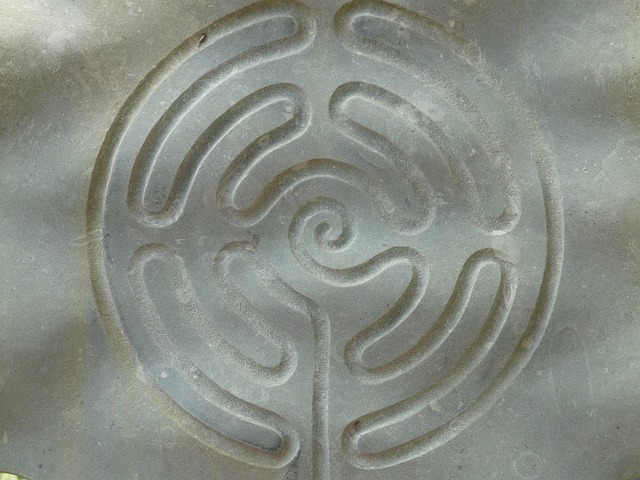
Unraveling the secrets hidden within lost texts requires a meticulous approach to language and translation. When dealing with ancient or obscure manuscripts, the first obstacle is often the language barrier. Each forgotten script holds its own nuances and challenges, demanding patient scholars equipped with specialized knowledge. The process involves not just deciphering words but also understanding cultural contexts, historical references, and symbolic meanings that may have been lost to time.
Scholars employ various tools and techniques to bridge this gap, from linguistic analysis to historical document research. Modern technology, such as advanced translation software and digital archives, aids in this endeavor. In some cases, like when dealing with a lost car title, the process can be simplified by utilizing legal forms like REG 227 or seeking vehicle title replacement assistance at Quick Auto Tags. However, for lost texts without readily available modern equivalents, the journey remains a delicate dance between past and present, demanding precision, creativity, and an unwavering commitment to uncovering hidden knowledge.
Interpreting Metaphors: Unraveling Symbolic Narratives

In the quest to uncover hidden knowledge in lost texts, one of the most intriguing challenges lies in interpreting metaphors and symbolic narratives. Ancient scribes often employed intricate allegories and parables within their writings, concealing profound insights beneath layers of symbolism. To truly grasp these hidden meanings, scholars must don the hat of a detective, carefully unravelling each thread of the narrative.
Consider, for instance, a passage in a long-forgotten manuscript that describes a "journey through the desert" as a metaphor for life's trials and tribulations. The desert, with its harsh conditions and scarce resources, represents the obstacles and challenges we face. By understanding this symbolic form, readers can gain valuable insights into ancient wisdom, comparable to obtaining lost registration sticker replacement via the correct channels—such as filling out the REG 227 form by mail through the Department of Motor Vehicles. Even seemingly mundane processes like Lost car title replacement at Quick Auto Tags involves navigating bureaucratic systems, much like the ancient texts demand patient and meticulous interpretation.
In the quest to uncover hidden knowledge in lost texts, we've explored diverse facets from deciphering symbols to understanding historical context and navigating language barriers. By employing advanced tools, scholarly interpretations, and a deep dive into symbolic narratives, we can unlock ancient secrets that offer profound insights into our past. Remember that each lost text is a gateway to a forgotten world, waiting to be explored and interpreted, thereby enriching our present knowledge.